 Tanzania Safari Booking & Pre-Trip Checklist (2026)
The complete pre-trip checklist for a Tanzania safari: booking, documents, health prep, insurance, money, packing, and what to sort out in the final week before you fly.

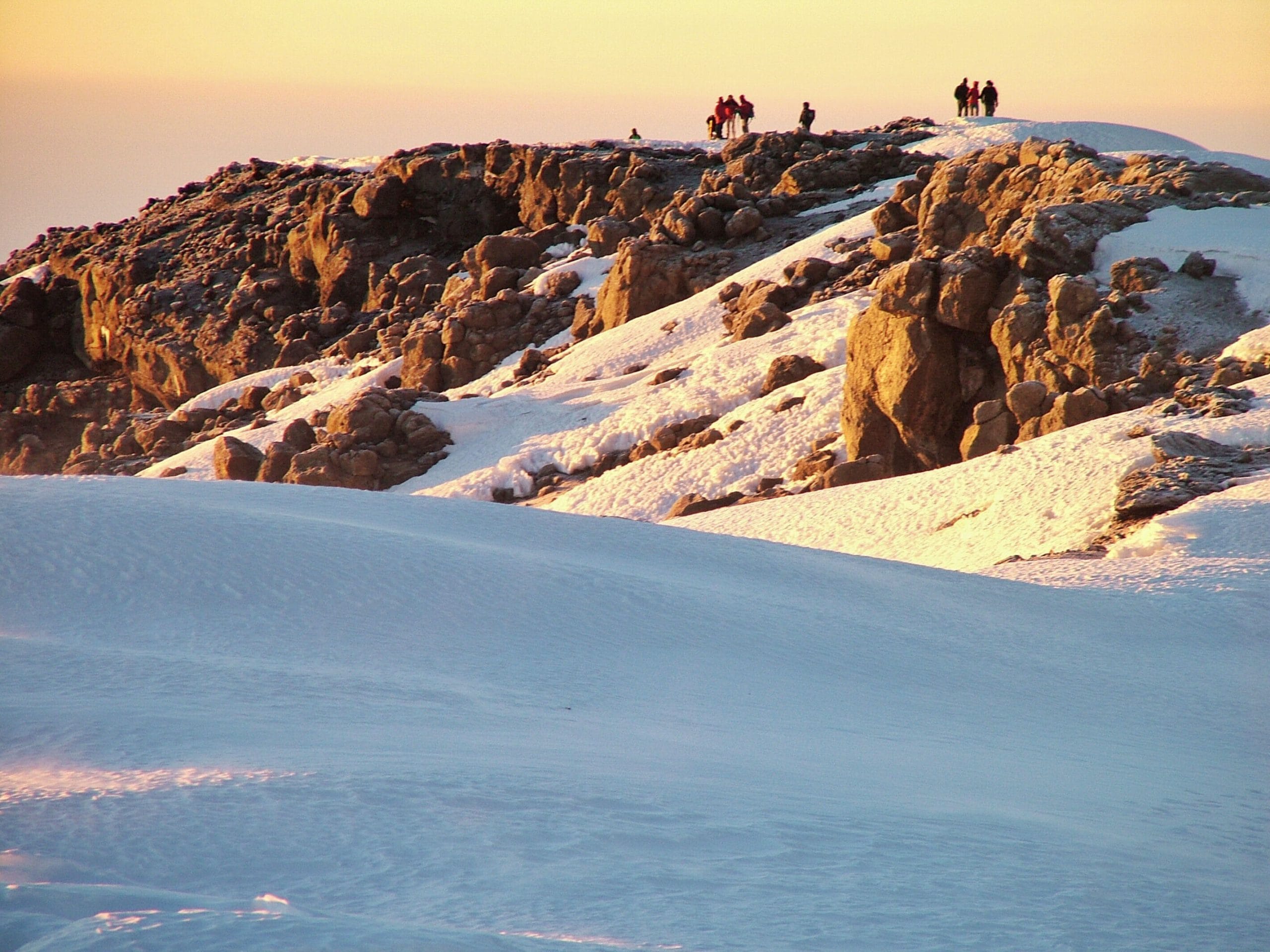
Climbing Kilimanjaro doesn’t require technical mountaineering skill or ropes — it’s a long, high-altitude trek, not a climb in the rock-climbing sense. What actually determines whether you summit isn’t fitness alone, it’s route choice and trip length. Longer routes give your body time to acclimatize, and that matters more than how many miles you can run.
2026 weather note (checked 16 November 2026): the Tanzania Meteorological Authority’s outlook for the October–December 2026 short rains (issued 18 August 2026) expects above-average to average rainfall in many areas of northern Tanzania, linked to a strong El Niño. The authority expects rain to increase noticeably in November, with some out-of-season rain possibly continuing into January 2027. This is a seasonal forecast, not a promise of daily rain, so expect a mix of wet and dry spells and check the latest forecast before you travel. Source: Tanzania Meteorological Authority advisory, 18 August 2026.
Beulah runs three of Kilimanjaro’s established routes, each with a different trade-off between time, scenery, and summit odds:
Altitude sickness is a risk for every climber, whatever their fitness, and more days on the mountain give your body more time to adjust to the thin air. TANAPA says reaching Kibo takes 5 to 9 days depending on the route. Published summit success rates differ widely by source and by operator, so we do not quote a percentage here. Ask any operator, including us, how they plan acclimatisation and how they measure success, and be wary of anyone who guarantees a summit.
Uhuru Peak, the summit, is 5,895 metres above sea level. Beulah’s three routes differ mainly in length, which affects how well you acclimatize.
| Route | Length | Details |
|---|---|---|
| Marangu (“Coca-Cola”) | 5 days | See the Marangu route |
| Machame (“Whiskey”) | 6 days | See the Machame route |
| Lemosho | 7 days | See the Lemosho route |
Prices and inclusions are on each route page. Looking for the cost of a safari instead? Read our Tanzania safari cost guide.
TANAPA gives the dry seasons as late June to September and December to early March, when nights are cool, days are clear and conditions are best for climbing. The short rains fall in October and November and the long rains from March to May, when snow builds up on the peak. Trails can be slippery and visibility lower in the wet months, on top of the usual altitude challenge.
Dry months are not risk-free: the UK government’s travel advice notes that wildfires can occur in hot, dry periods, including in Kilimanjaro National Park, so follow your guides and park instructions if conditions change. The 2026 weather note above shows why it is worth checking the latest forecast close to your dates.
You don’t need to be an athlete, but you do need stamina for consecutive long days of walking. In the months before your climb:
Talk to your doctor about acetazolamide (Diamox), commonly used to help with acclimatization — see our health guide for how this fits alongside your other travel health prep. Beyond medication, the guides’ constant refrain of “pole pole” (Swahili for “slowly, slowly”) is the real strategy — a slow, steady pace conserves energy and gives your body time to adjust. Drink more water than feels necessary, and tell your guide immediately if you feel unusually unwell; altitude sickness caught early is manageable, ignored it isn’t.
Our general safari packing list covers the basics, but a Kilimanjaro climb adds its own essentials: proper cold-weather layers for summit night (temperatures drop well below freezing at the top), broken-in hiking boots, trekking poles, a headlamp, and a warm sleeping bag rated for sub-zero temperatures. We’ll send you a climb-specific gear list once you book so you’re not guessing.
Every Beulah Kilimanjaro itinerary includes park fees, professional guides, porters, and camping or hut fees along the route. Get in touch and we’ll help you pick the route and season that fits your fitness level and travel dates.
Learn more about the mountains in the parks themselves: Kilimanjaro National Park and Mount Meru.
Tanzania Safari Booking & Pre-Trip Checklist (2026)
The complete pre-trip checklist for a Tanzania safari: booking, documents, health prep, insurance, money, packing, and what to sort out in the final week before you fly.
 Zanzibar Beaches & Safety Guide (2026)
 Money & Payment Guide for Your Tanzania Safari (2026)
Which currency to use in Tanzania, what the Bank of Tanzania says about US dollars, how cards and ATMs work, and how tipping works.
 Getting from Zanzibar to Your Safari (2026 Transport Guide)
 Do You Need Vaccines for a Tanzania Safari? (2026 Health & Malaria Guide)
 Honeymoon & Romantic Safari Packages in Tanzania (2026 Guide)
Tanzania honeymoon packages from Beulah Tours: private safaris from $2,789-$3,880 per person, pairing the Serengeti and Ngorongoro Crater with optional Zanzibar beach time.