 Tanzania Safari Booking & Pre-Trip Checklist (2026)
The complete pre-trip checklist for a Tanzania safari: booking, documents, health prep, insurance, money, packing, and what to sort out in the final week before you fly.
 Tanzania Safari Booking & Pre-Trip Checklist (2026)
The complete pre-trip checklist for a Tanzania safari: booking, documents, health prep, insurance, money, packing, and what to sort out in the final week before you fly.
 Zanzibar Beaches & Safety Guide (2026)
 Money & Payment Guide for Your Tanzania Safari (2026)
Which currency to use in Tanzania, what the Bank of Tanzania says about US dollars, how cards and ATMs work, and how tipping works.
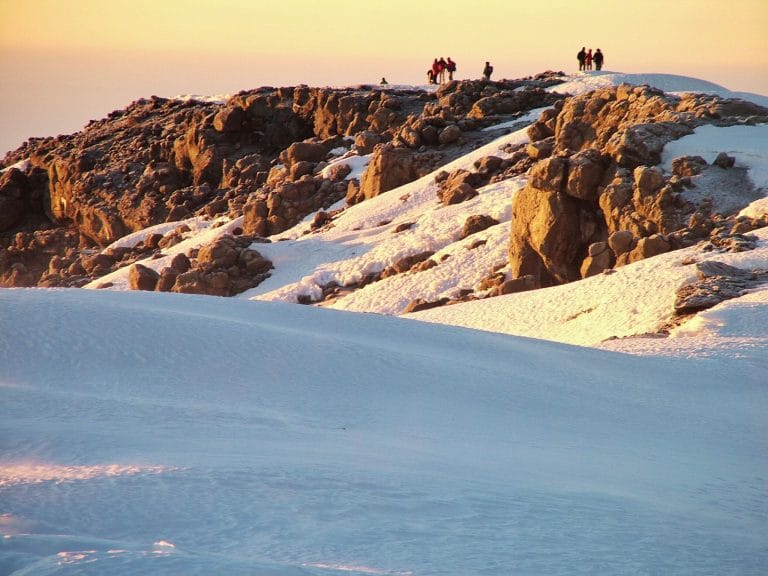 Climbing Kilimanjaro: Route Guide & How to Prepare (2026)
How to choose a Kilimanjaro route, why trip length matters more than fitness for summit success, best climbing season, and how to physically prepare.
 Getting from Zanzibar to Your Safari (2026 Transport Guide)
 Do You Need Vaccines for a Tanzania Safari? (2026 Health & Malaria Guide)
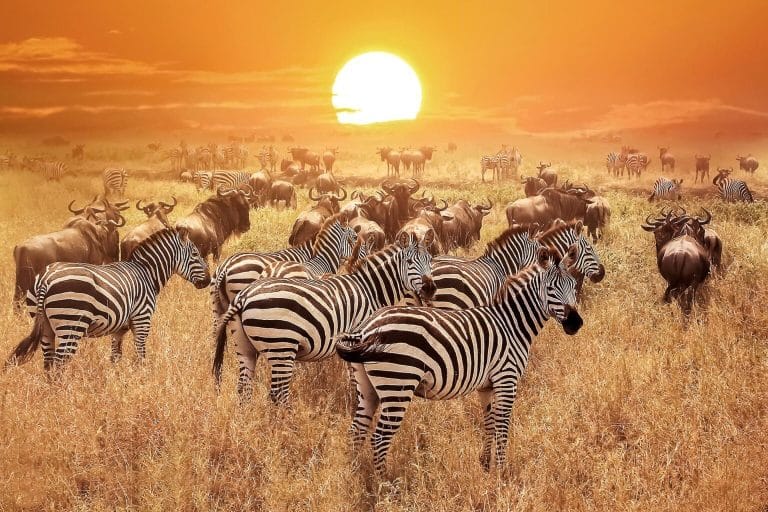 Honeymoon & Romantic Safari Packages in Tanzania (2026 Guide)
Tanzania honeymoon packages from Beulah Tours: private safaris from $2,789-$3,880 per person, pairing the Serengeti and Ngorongoro Crater with optional Zanzibar beach time.
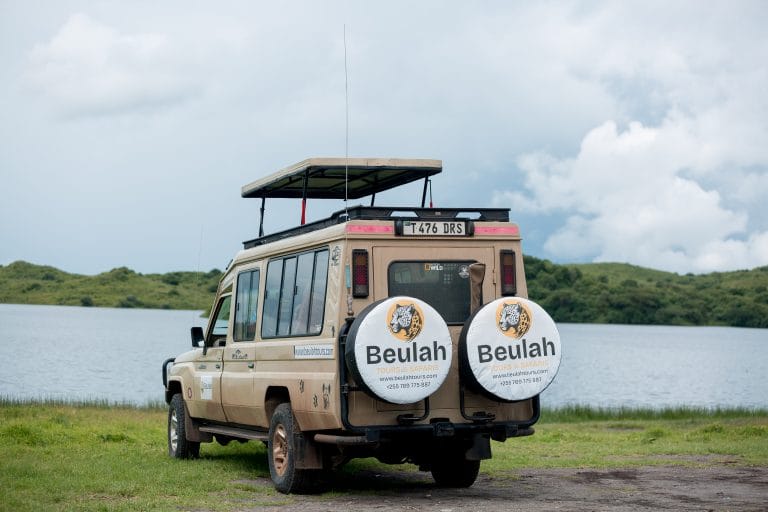 How Much Does a Tanzania Safari Cost? (2026 Price Guide)
Real 2026 Tanzania safari pricing: what drives the cost, what’s included, and how Beulah’s own $1,389-$3,880 range breaks down by trip length and comfort level.
 Best Time to Visit Serengeti National Park (2026 Guide)
Most travelers need a visa to enter Tanzania. You can obtain an eVisa online through the official Tanzania Immigration portal (https://visa.immigration.go.tz). We highly recommend applying at least 2 to 3 weeks in advance to avoid border delays.
Cost: Standard single-entry visas are typically $50 USD, while US citizens are required to purchase a multiple-entry visa for $100 USD.
Passport Validity: Ensure your passport is valid for at least six months from your date of entry and has at least two blank pages for stamps.
Approval: Once approved, print your eVisa grant notice to present upon arrival.
A Yellow Fever vaccination certificate is strictly required only if you are traveling from (or transiting for more than 12 hours through) a country with a risk of Yellow Fever transmission.
While on safari, malaria prevention is highly advised. Consult your doctor or a travel clinic well in advance regarding antimalarial medication and other recommended vaccines, such as Hepatitis A and Typhoid. We also recommend packing a basic personal first-aid kit with your preferred over-the-counter remedies
Comprehensive travel insurance is essential for peace of mind. Your standard policy should cover trip cancellations, lost baggage, medical emergencies, and emergency evacuation (which is critical for remote safari locations).
Important Notice for Zanzibar Travelers: Starting October 1, 2024, the Revolutionary Government of Zanzibar requires all foreign visitors to purchase mandatory Inbound Travel Insurance from the Zanzibar Insurance Corporation (ZIC).
The Rule: This is compulsory even if you already hold premium international travel insurance.
Cost & Coverage: The policy costs $44 USD per person, is valid for 92 days, and covers basic medical emergencies, local evacuations, and lost luggage specifically within the Zanzibar archipelago.
How to Buy: You must purchase this before your arrival via the official portal (visitzanzibar.go.tz). You will receive a QR code that must be presented to immigration officials upon landing or taking the ferry into Zanzibar.
The local currency is the Tanzanian Shilling (TZS). However, US Dollars are widely accepted at lodges, national parks, and tourist hubs.
Crucial USD Rule: Tanzania only accepts US Dollar bills printed after 2006. Older bills, or those that are torn and heavily creased, will be rejected by banks and vendors.
Cards vs. Cash: Major credit cards (Visa and Mastercard) are accepted at larger hotels and lodges, though they often incur a surcharge of 3% to 5%. We recommend carrying small denominations of US Dollars and Tanzanian Shillings for local markets, small purchases, and tipping.
ATMs: Available in major towns like Arusha, Dar es Salaam, and Stone Town, but they are practically nonexistent out in the bush. Withdraw what you need before heading out on safari.
Tanzania is a fantastic year-round destination, but the experience changes with the seasons:
Dry Seasons (June–October & December–February): The best times for classic wildlife viewing. The bush is less dense, and animals congregate around water sources. The Great Migration river crossings in the northern Serengeti typically occur between July and September, while the Ndutu calving season happens from January to March.
Green Seasons (November & March–May): Known as the "short rains" and "long rains," these months offer lush, incredibly beautiful landscapes, fantastic birdwatching, baby animals, and fewer crowds.
Going on safari in Tanzania is very safe, provided you follow the rules of the national parks and the instructions of your guide.
Expert Guides: Our company ensures your safety is the absolute priority. Our guides are highly trained in wildlife behavior and wilderness first aid.
Camp Safety: Many authentic bush camps are unfenced, meaning wildlife can wander through. You will always be escorted by Maasai or camp guards when walking to and from your tent after dark.
Vehicle Rules: Never stand up or lean out of the vehicle windows, and keep your voice down when close to animals.
Tipping is a customary and highly appreciated part of the safari experience, though it is always at your discretion based on the quality of service.
Safari Guide: The industry standard is $15 to $25 USD per guest, per day, given directly to the guide at the end of your safari.
Camp/Lodge Staff: Most lodges have a communal "tip box" at the reception. A general guideline is $10 to $15 USD per guest, per day, which is shared among the behind-the-scenes staff (chefs, housekeepers, waiters).
You will be pleasantly surprised by the high quality of food on safari, even in the most remote camps.
Special Diets: Whether you are vegetarian, vegan, gluten-free, or have specific food allergies, lodges are very well-equipped to accommodate you.
Notice: Please communicate any dietary restrictions to us at the time of booking so we can alert the camps and our guides well in advance.
Water: Always drink bottled or filtered water provided by your lodge or guide. Avoid drinking from the tap, even when brushing your teeth.
Many of our guests combine their wildlife safari or Zanzibar holiday with a trek up Mount Kilimanjaro, the highest peak in Africa.
Fitness Level: You do not need technical climbing skills, but you should have a good level of cardiovascular fitness and stamina.
Routes: There are several routes varying in length and difficulty (typically taking 6 to 9 days). We highly recommend routes with longer itineraries to allow for proper acclimatization and increase your chances of reaching the summit safely.
Gear: We provide all communal equipment (tents, dining tents, cooking gear). You can rent personal items like high-quality sleeping bags and trekking poles from us upon arrival if you prefer not to pack them.
Tanzania is a phenomenal destination for families, offering an incredible educational experience for children.
Age Restrictions: While many lodges welcome children of all ages, some high-end or walking-focused camps have minimum age requirements (usually 6 or 12 years old).
Pacing: For families with younger kids, we recommend "slow safaris"—staying longer at fewer camps to minimize travel time and allowing for downtime by the pool.
Private Vehicles: Families automatically benefit from a private vehicle, allowing you to tailor the length of the game drives entirely to your children's attention spans.
Tanzania is a photographer's dream, but there are a few rules to keep in mind.
Drones: The use of drones in Tanzania's national parks is strictly prohibited for tourists. Getting caught with a drone can result in heavy fines and the confiscation of your equipment.
Lenses: For wildlife photography, a zoom lens of at least 300mm to 400mm is highly recommended.
People: Always ask for permission before taking photographs of local people, particularly in Maasai villages or vibrant markets. Your guide can help facilitate this politely.