 Tanzania Safari Booking & Pre-Trip Checklist (2026)
The complete pre-trip checklist for a Tanzania safari: booking, documents, health prep, insurance, money, packing, and what to sort out in the final week before you fly.


This guide answers the money questions travelers ask most when planning a Tanzania safari: which currency to use, how to get cash, whether cards work and how tipping works. Rules and prices change, so we say where our information comes from and where practice varies. Please confirm details with us before you travel.
The official currency is the Tanzanian shilling (TZS). Under the Regulations on the Use of Foreign Currency, 2025 (Government Gazette No. 198, 28 March 2025), the Bank of Tanzania says pricing and payment for goods and services within the country must be in shillings. Its public notice of 2 May 2025 tells foreigners, including tourists, to exchange money through commercial banks or bureaux de change, and says bank cards and other digital payments can still be used.
In practice the picture is mixed. Press reports of a Bank of Tanzania letter dated 8 July 2025 say resident tour operators may continue to use foreign currency for tourism transactions, and many lodges, guides and operators still quote or accept US dollars. Because the rules and how they are applied can differ from one business to another, do not assume dollars will be accepted everywhere. Carry some shillings for small purchases, and ask us or your lodge which payments should be made in which currency.
We found no official rule. Operators give different guidance: some say notes from 2009 or newer are accepted, while others say notes issued before 2006 are refused. Bring recent, clean, undamaged notes with no tears or marks, and confirm the current practice with your operator or exchange provider before you travel. Smaller notes are easier to use for tips and small purchases.
Bring both. Published guides report that cards work most reliably in cities and at established hotels, lodges and larger restaurants, while smaller shops, local restaurants, taxis and remote camps often need cash. Ask your lodge whether a card surcharge applies.
ATMs are available in towns such as Arusha and Moshi, but not inside the national parks or at remote camps, and machines can be out of service, so get your cash before you head into the parks. Fees depend on your bank and the ATM operator, so check the fee shown on the screen and ask your bank about international withdrawal limits. If the machine offers to charge you in your home currency, choose shillings instead.
That depends on your itinerary, your lodges and what your quote includes, so we do not give one figure. Cash is mainly needed for tips, drinks and meals that are not included, souvenirs and small purchases. Your quote lists what is prepaid, and anything not listed is paid by you.
Tipping is your choice. One published guideline, from Expert Africa, suggests US$8 to US$10 per guest per day for a safari guide, US$8 to US$10 per guest per day for camp or lodge staff (shared through a tip box) and US$3 to US$5 per city transfer, and other sources suggest higher amounts for guides. Tip once at the end of your stay at each lodge or camp, in cash. Treat all of these figures as guidelines rather than rules.
Reviewed 17 November 2026 against the Bank of Tanzania public notice of 2 May 2025 and the Expert Africa tipping guide.
Questions about how the cash side of your specific trip will work? Get in touch and we’ll walk you through exactly what’s prepaid versus what to budget in cash.
If you’re ready to see real pricing, our Affordable Tanzania Wildlife Safari (4 days/3 nights) is a good budget-friendly reference point, while the Beulah Signature All-Inclusive Safari shows what’s included at the premium end.
Planning your luggage too? Our Tanzania safari packing list covers clothing, gear and what to carry in cash.
Tanzania Safari Booking & Pre-Trip Checklist (2026)
The complete pre-trip checklist for a Tanzania safari: booking, documents, health prep, insurance, money, packing, and what to sort out in the final week before you fly.
 Zanzibar Beaches & Safety Guide (2026)
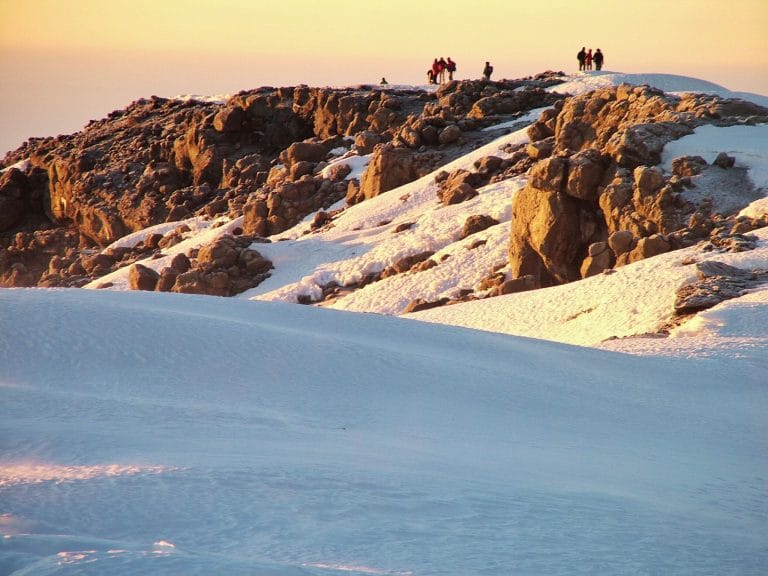 Climbing Kilimanjaro: Route Guide & How to Prepare (2026)
How to choose a Kilimanjaro route, why trip length matters more than fitness for summit success, best climbing season, and how to physically prepare.
 Getting from Zanzibar to Your Safari (2026 Transport Guide)
 Do You Need Vaccines for a Tanzania Safari? (2026 Health & Malaria Guide)
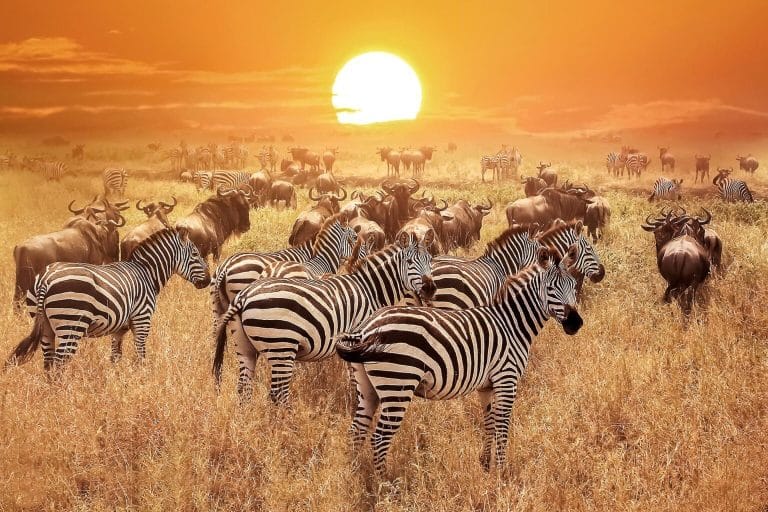 Honeymoon & Romantic Safari Packages in Tanzania (2026 Guide)
Tanzania honeymoon packages from Beulah Tours: private safaris from $2,789-$3,880 per person, pairing the Serengeti and Ngorongoro Crater with optional Zanzibar beach time.