 Tanzania Safari Booking & Pre-Trip Checklist (2026)
The complete pre-trip checklist for a Tanzania safari: booking, documents, health prep, insurance, money, packing, and what to sort out in the final week before you fly.

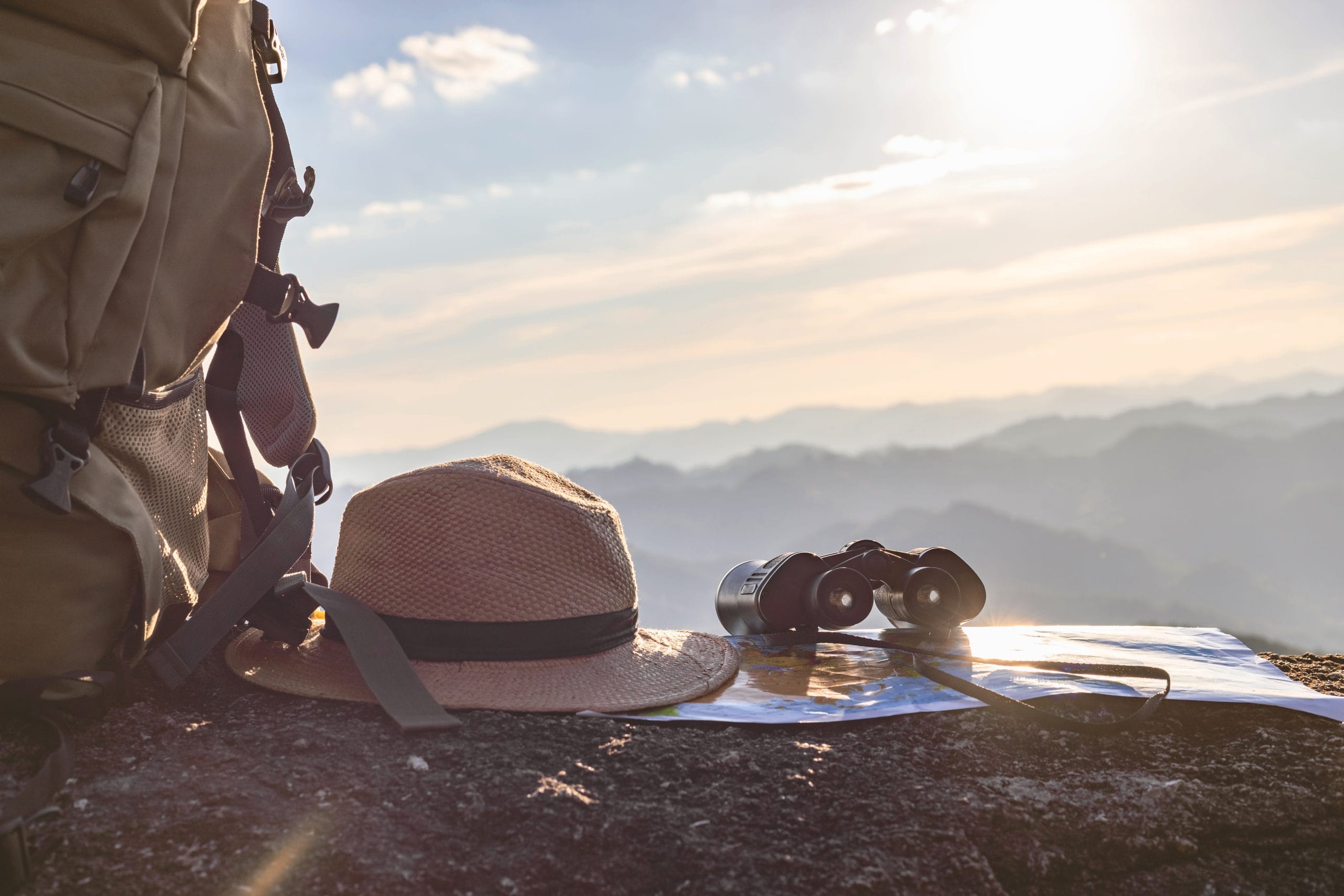
The short answer: lightweight layers in neutral colors, something warm for chilly mornings, sun and insect protection, and comfortable closed-toe shoes. What you actually need shifts a bit depending on whether you’re on a classic game drive, climbing Kilimanjaro, or adding Zanzibar’s beaches to your trip — here’s the full breakdown.
Stick to neutral safari colors — khaki, green, brown, and tan work best. Avoid dark blue and black in particular, as these colors attract tsetse flies in some parks, including Tarangire. Bright white isn’t ideal either, since it shows dust easily and stands out to wildlife. Pack lightweight, breathable layers you can add or remove through the day: short and long-sleeve shirts, comfortable trousers, a light fleece or jumper, and a warm jacket for early mornings (more on that below).
Yes, definitely. Game drives typically start before sunrise when temperatures can be surprisingly cold, especially at higher elevations. At the Ngorongoro Crater, for example, the rim sits well above 2,000 meters (over 6,500 feet), and early mornings and evenings up there can be quite chilly — a warm fleece or jacket is essential, not optional. Pack layers you can peel off as the day warms up rather than one heavy coat.
Yes, significantly. A Kilimanjaro climb takes you through humid rainforest and sub-zero alpine desert in the same trip, so you’ll need a proper layered system: moisture-wicking base layers, an insulating mid-layer, a wind and waterproof outer shell, a warm sleeping bag rated for sub-zero temperatures, and worn-in, waterproof hiking boots (never brand new ones — break them in before you fly). This is a completely separate packing list from a standard game drive, so if Kilimanjaro is part of your trip, plan for both.
Beach basics — swimwear, sandals, a sun hat, and light cotton clothing — plus something more modest for when you’re off the resort. Zanzibar is predominantly Muslim, so conservative dress is appreciated in Stone Town and local villages: it’s respectful for both men and women to cover shoulders and knees when walking through these areas. One more thing worth flagging while you’re packing: Zanzibar requires mandatory travel insurance for every visitor, which is separate from your Tanzania visa — we’ve covered exactly what you need in our Zanzibar travel insurance guide.
Tanzania mainly uses Type G plugs (the same three-pin plug used in the UK), and some sockets are Type D, so a universal adapter is the safest choice and runs on 230V/50Hz power, so travelers from the US, Canada, and other 110V countries will need an adapter — and a voltage converter if your device isn’t dual-voltage (check for “Input: 100-240V” printed on the charger). We’d also recommend a power bank, since some camps and lodges run on solar power with limited evening electricity. A good camera or phone with a strong zoom, spare memory cards, and binoculars will make a real difference for wildlife viewing.
Sunscreen (high SPF — the equatorial sun is strong even on overcast days), insect repellent, and a basic first aid kit with any personal medication you take regularly. Talk to your doctor before you travel about antimalarial medication and any recommended vaccinations, since requirements can depend on your travel history and health background. If your itinerary includes Zanzibar, also see our Zanzibar insurance guide for the Yellow Fever certificate requirement, which applies to travelers arriving from certain countries.
Soft-sided duffel bags are much easier to pack into safari vehicles than rigid, hard-shell suitcases, and we’d recommend one for your main luggage. Bring a smaller daypack for the items you want within reach during game drives — camera, sunscreen, water bottle, and a light layer.
Not sure what your specific itinerary needs, or want a packing list tailored to your exact route? Get in touch and we’ll help you prepare, whether you’re heading out on classic game drives, tackling Kilimanjaro, or combining a safari with Zanzibar’s beaches. And if you haven’t sorted your visa yet, check out our Tanzania visa requirements guide before you fly.
A few of our itineraries are built exactly around those two scenarios: the 7-Day Lemosho Route for the Kilimanjaro climb, and Big Five & Zanzibar Bliss if you’re pairing a safari with the beach.
Climbing Kilimanjaro needs warmer gear than a safari, because summit night is well below freezing. Read our Kilimanjaro route guide for route choice and preparation.
Plug and voltage details last checked 16 November 2026.
If your trip includes a small-aircraft flight, weight limits are stricter than on an international flight. Coastal Aviation, for example, states a maximum of 15 kg (33 lb) per passenger in soft-sided bags, with hand luggage such as a small backpack limited to 5 kg (11 lb). Extra luggage is possible only by paying for an additional seat in advance or on a space-available basis. Other airlines set their own limits, so check the airline named on your booking before you pack. This is why we recommend a soft duffel bag rather than a hard suitcase.
Source: Coastal Aviation baggage policy, checked 16 November 2026.
Tanzania Safari Booking & Pre-Trip Checklist (2026)
The complete pre-trip checklist for a Tanzania safari: booking, documents, health prep, insurance, money, packing, and what to sort out in the final week before you fly.
 Zanzibar Beaches & Safety Guide (2026)
 Money & Payment Guide for Your Tanzania Safari (2026)
Which currency to use in Tanzania, what the Bank of Tanzania says about US dollars, how cards and ATMs work, and how tipping works.
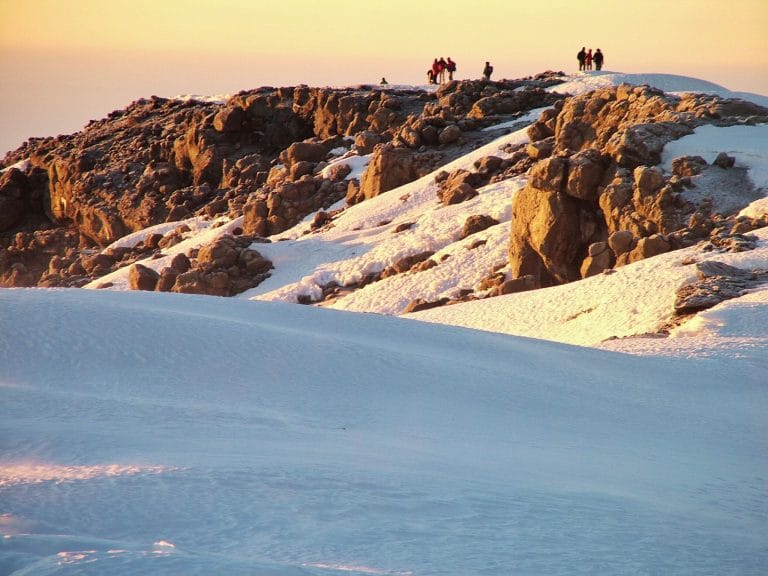 Climbing Kilimanjaro: Route Guide & How to Prepare (2026)
How to choose a Kilimanjaro route, why trip length matters more than fitness for summit success, best climbing season, and how to physically prepare.
 Getting from Zanzibar to Your Safari (2026 Transport Guide)
 Do You Need Vaccines for a Tanzania Safari? (2026 Health & Malaria Guide)