 Tanzania Safari Booking & Pre-Trip Checklist (2026)
The complete pre-trip checklist for a Tanzania safari: booking, documents, health prep, insurance, money, packing, and what to sort out in the final week before you fly.


No vaccinations are legally required to enter Tanzania for most travelers — the only mandatory one is yellow fever, and only if you’re arriving from a yellow-fever country, or spending 12 hours or more in transit in one (common if you’re connecting through Nairobi, Kenya). That said, doctors strongly recommend a handful of routine and travel vaccines regardless, and malaria prevention matters for almost everyone visiting Tanzania’s parks. Here’s exactly what applies to you.
If you’re flying directly from the US, UK, Europe, or most of Asia with no stopover in a yellow-fever country, you do not need a yellow fever certificate to enter Tanzania. Tanzania asks for proof of vaccination from travelers arriving from countries on its Ministry of Health list, or who spent 12 hours or more in transit in one of them. The list includes Kenya, Uganda and Ethiopia, which are common connection points for safari travelers, as well as several other African and South American countries. Carry your International Certificate of Vaccination (the “yellow card”) if there’s any chance this applies to your itinerary. If you cannot be vaccinated for medical reasons, carry written medical proof from your doctor.
Yellow fever sources: Tanzania Ministry of Health notice, 31 July 2023 (country list based on the WHO list updated 3 January 2023), and UK TravelHealthPro. Country lists can change, so confirm with your airline or a Tanzanian embassy before you travel. Last checked 16 November 2026.
Malaria is present across nearly all of mainland Tanzania below about 5,900 feet (1,800m) — which covers the Serengeti, Ngorongoro Crater, Tarangire, and Zanzibar. There’s no vaccine most travelers take for this; instead, your doctor will prescribe an antimalarial (a daily or weekly pill you start before, during, and after your trip). Tanzania’s malaria strain is chloroquine-resistant, so this isn’t a one-size-fits-all decision — talk to a travel health provider about which option (e.g. Malarone, doxycycline, or mefloquine) fits your health history and trip length.
Alongside medication, simple prevention habits matter too:
None of these are entry requirements, but travel health guidance (CDC and WHO) commonly recommends the following for a Tanzania trip:
A travel health clinic can tell you exactly which of these make sense for your specific itinerary, health history, and how long you’ll be in the country.
As of 2026, Tanzania (including Zanzibar) has no COVID-19 vaccination or testing requirements for entry.
Book an appointment with a travel health clinic or your doctor 4–8 weeks before you leave — some vaccines need time to become effective, and antimalarials often need to start before you travel. If you’re leaving sooner than that, go anyway; late is better than not going at all, and a clinic can still advise on your options.
This is general travel-planning information, not medical advice. Always confirm your specific vaccine and malaria prevention plan with a licensed doctor or travel health clinic before you go.
Sorting out the health side of your trip? See our packing list and visa requirements guide to cover the rest of your pre-trip checklist, or get in touch if you have questions about a specific itinerary.
Once your health prep is sorted, two of our most popular itineraries are the Epic Serengeti & Ngorongoro Safari and the Big Five Safari through Tarangire, Serengeti & Ngorongoro — both well within the health guidance above.
Medical and travel insurance are usually not part of a safari price; our Tanzania safari cost guide lists what is normally included and excluded. If you plan to climb Kilimanjaro, our Kilimanjaro route guide explains altitude and acclimatization.
Malaria and altitude: the UK’s TravelHealthPro describes a high risk of malaria in all areas of Tanzania below 1,800 metres, including Zanzibar, and no risk above 1,800 metres. Ask a travel-health clinic which antimalarial tablets suit your route and dates. Entry and health rules last checked 16 November 2026 against TravelHealthPro: Tanzania; always confirm with your doctor.
Tanzania Safari Booking & Pre-Trip Checklist (2026)
The complete pre-trip checklist for a Tanzania safari: booking, documents, health prep, insurance, money, packing, and what to sort out in the final week before you fly.
 Zanzibar Beaches & Safety Guide (2026)
 Money & Payment Guide for Your Tanzania Safari (2026)
Which currency to use in Tanzania, what the Bank of Tanzania says about US dollars, how cards and ATMs work, and how tipping works.
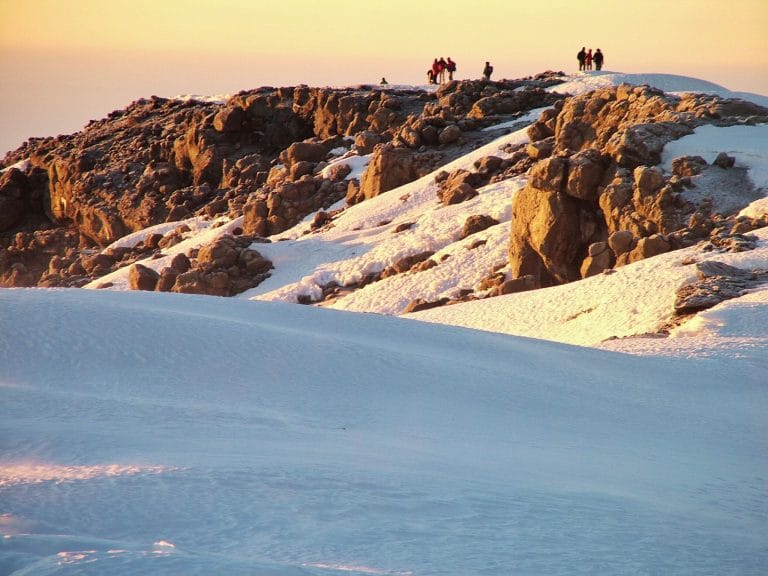 Climbing Kilimanjaro: Route Guide & How to Prepare (2026)
How to choose a Kilimanjaro route, why trip length matters more than fitness for summit success, best climbing season, and how to physically prepare.
 Getting from Zanzibar to Your Safari (2026 Transport Guide)
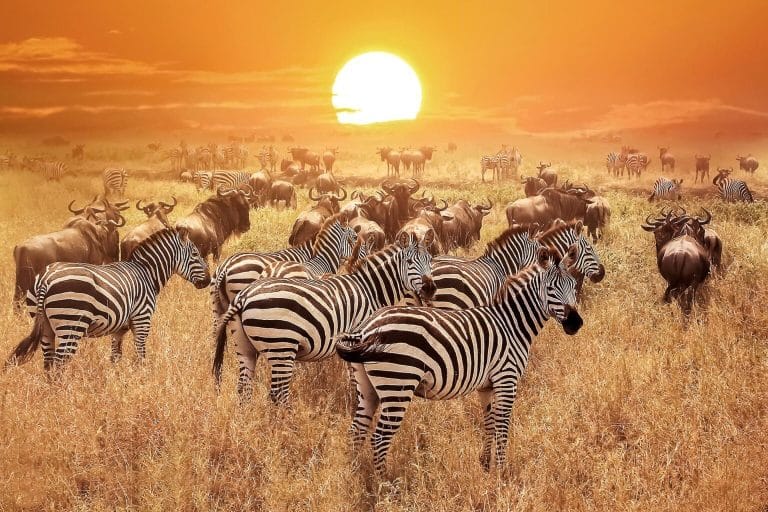 Honeymoon & Romantic Safari Packages in Tanzania (2026 Guide)
Tanzania honeymoon packages from Beulah Tours: private safaris from $2,789-$3,880 per person, pairing the Serengeti and Ngorongoro Crater with optional Zanzibar beach time.