 Tanzania Safari Booking & Pre-Trip Checklist (2026)
The complete pre-trip checklist for a Tanzania safari: booking, documents, health prep, insurance, money, packing, and what to sort out in the final week before you fly.

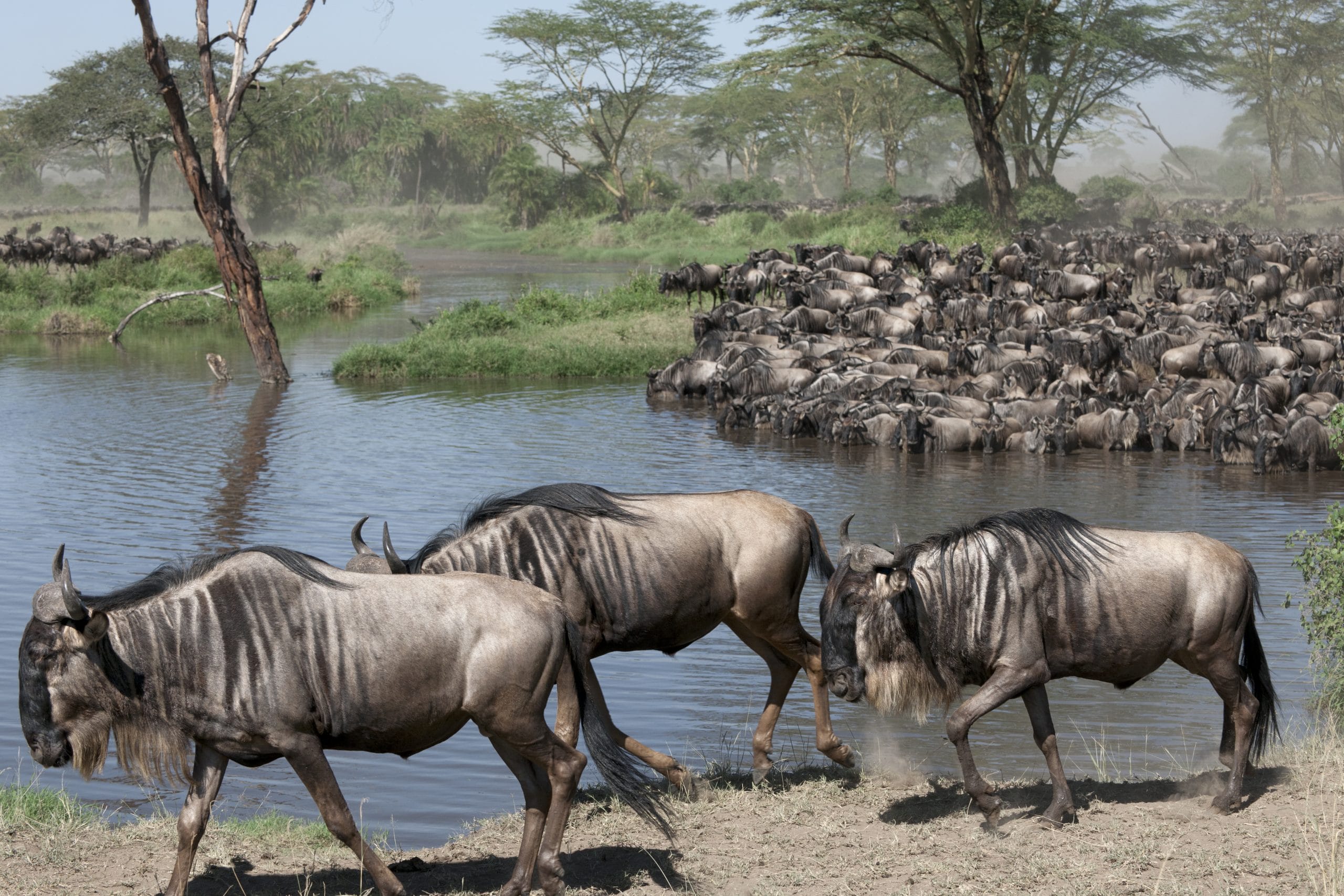
It depends on what you want to see: roughly July through October is best for the dramatic Mara River crossings in the north, January through March is best for calving season on the southern plains, and if you just want excellent general game viewing without chasing the migration, the dry season (June to October) is a safe bet almost anywhere in the park. Here’s how to plan around what matters most to you.
2026 weather note (checked 16 November 2026): the Tanzania Meteorological Authority’s outlook for the October–December 2026 short rains (issued 18 August 2026) expects above-average to average rainfall in many areas of northern Tanzania, linked to a strong El Niño. The authority expects rain to increase noticeably in November, with some out-of-season rain possibly continuing into January 2027. This is a seasonal forecast, not a promise of daily rain, so expect a mix of wet and dry spells and check the latest forecast before you travel. Source: Tanzania Meteorological Authority advisory, 18 August 2026.
The Great Migration is a year-round circular journey, not a single event, so “best time” really depends on which part of it you want to witness. Mid-July through September is peak season for the dramatic Mara River crossings in the north, while January through March is excellent for calving season in the southern Ndutu region of the Serengeti. One important note: the migration follows rainfall and grass growth, not a fixed schedule, so exact timing and crossing points shift somewhat from year to year. Any guide (including this one) can only describe typical patterns, not guarantees.
These are general patterns based on typical rainfall and grazing cycles, not guarantees — the herds move according to weather and grass conditions, which vary each year.
If you’re not chasing a specific migration event, the dry season (June to October) tends to offer the most reliable game viewing across the board — vegetation is thinner, animals cluster around remaining water sources, and visibility is generally excellent. That said, the Serengeti has resident wildlife year-round, including outside migration season, so it’s a rewarding destination almost any time of year. This pairs well with a stop at Ngorongoro Crater, where wildlife density stays high year-round regardless of the migration, or Tarangire, known for its elephant herds outside the main migration circuit entirely.
April and May, during the long rains, is typically the lowest-rate, lowest-crowd window — many lodges drop their prices significantly, and some close entirely for the heaviest weeks. November is a milder shoulder-season option: rates are lower than peak dry season, crowds are thinner, and the short rains are usually less disruptive than the April-May long rains. If your travel dates are flexible, either window can mean real savings without sacrificing a good safari experience.
We recommend a minimum of 3 to 4 days. The park is vast, and spending more time allows you to explore different regions, track the migration, and enjoy unhurried game drives without feeling rushed.
Not sure which season fits what you want to see, or planning around specific dates? Get in touch and we’ll help you time your Serengeti safari around calving season, river crossings, or whatever matters most to you — and pair it with Ngorongoro, Tarangire, or Zanzibar if you’re building a longer itinerary. Once your dates are set, check our guides on Tanzania visa requirements and what to pack for your safari to finish planning.
Timing your trip around one of these windows? Our Ndutu Calving Season Safari is built around the January-February calving window, while the Fly-In & Out Serengeti Wildebeest Migration is timed for peak river-crossing season.
Not sure how long to stay? Our guide to how many days you need for a Tanzania safari will help, and A Journey Through Nature’s Heart and Unforgettable Adventures gives a wider look at the parks and Zanzibar.
Season affects price as well as weather: see our Tanzania safari cost guide. What you pack also depends on the season, so check our safari packing list before you travel.
Read more about the northern parks: Lake Manyara.
Tanzania Safari Booking & Pre-Trip Checklist (2026)
The complete pre-trip checklist for a Tanzania safari: booking, documents, health prep, insurance, money, packing, and what to sort out in the final week before you fly.
 Zanzibar Beaches & Safety Guide (2026)
 Money & Payment Guide for Your Tanzania Safari (2026)
Which currency to use in Tanzania, what the Bank of Tanzania says about US dollars, how cards and ATMs work, and how tipping works.
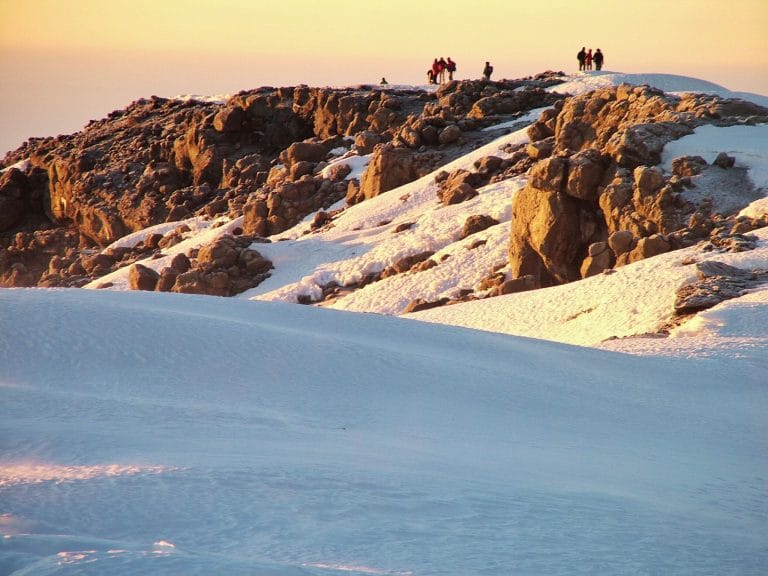 Climbing Kilimanjaro: Route Guide & How to Prepare (2026)
How to choose a Kilimanjaro route, why trip length matters more than fitness for summit success, best climbing season, and how to physically prepare.
 Getting from Zanzibar to Your Safari (2026 Transport Guide)
 Do You Need Vaccines for a Tanzania Safari? (2026 Health & Malaria Guide)